Animals: The Diversity of Life on Earth
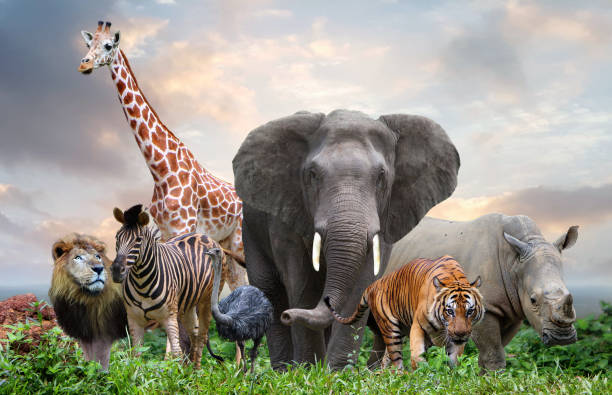
Animals are among the most fascinating and essential creations of nature. They exist in every corner of the world, from the deepest oceans to the highest mountains, and from dense jungles to dry deserts. The study of animals not only reveals the beauty of life but also helps us understand the balance of ecosystems that sustain the planet.
The Diversity of Animals
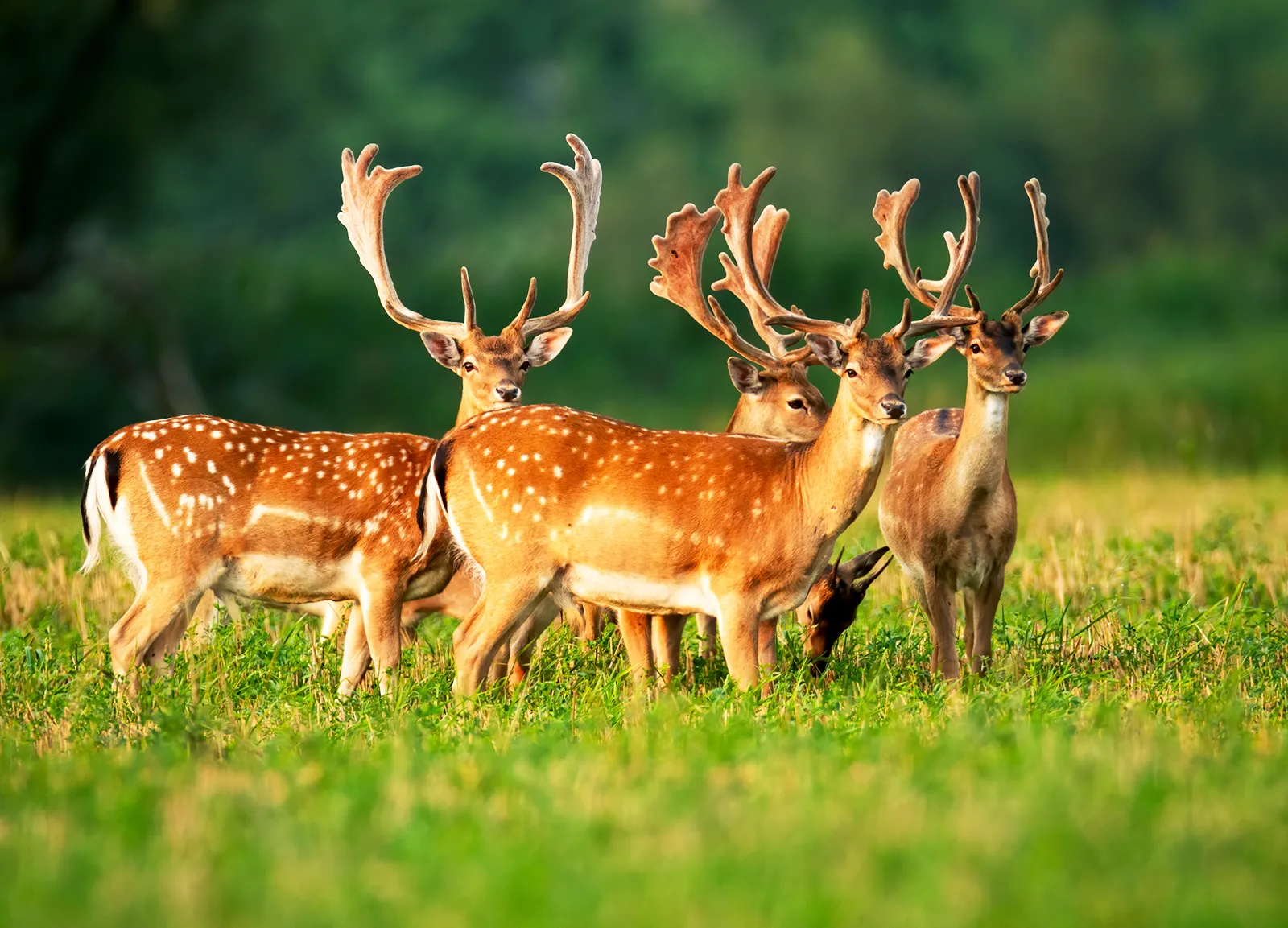
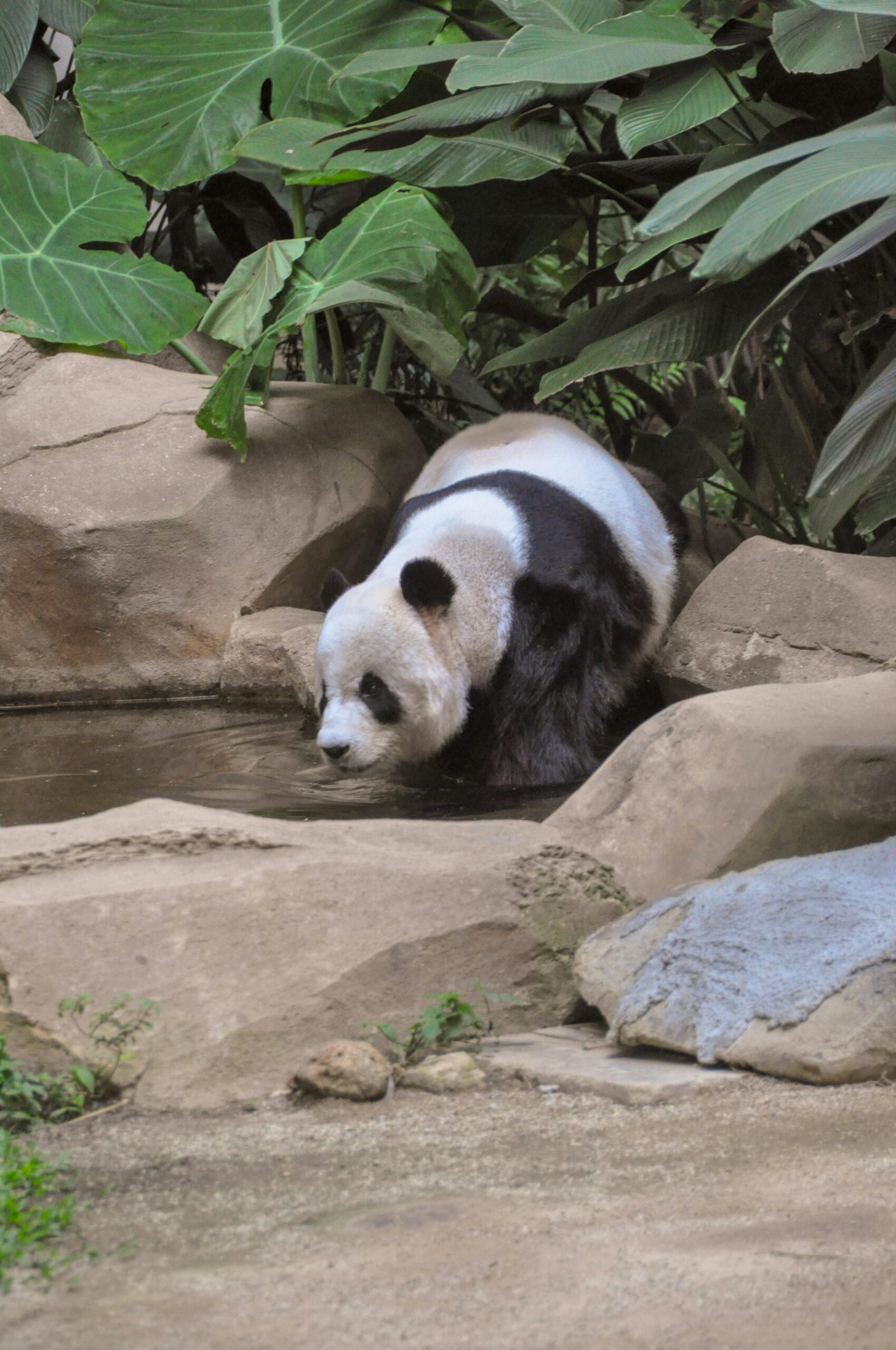
Animals belong to the kingdom Animalia and are classified into millions of species. They vary greatly in size, shape, and behavior. From tiny ants to gigantic whales, animals display a remarkable diversity. They can be divided into two major categories:
Vertebrates – Animals with backbones, such as mammals, birds, reptiles, amphibians, and fish.
Invertebrates – Animals without backbones, including insects, mollusks, worms, and jellyfish.
Each group plays an important role in the environment, contributing to the survival of other species.
Importance of Animals in Ecosystems
Animals are not just living beings but vital components of natural ecosystems. They serve many purposes:
Pollination: Bees, butterflies, and some birds help plants reproduce by spreading pollen.
Food Chain: Herbivores eat plants, carnivores eat herbivores, and decomposers recycle nutrients.
Balance of Nature: Predators control the population of prey species, maintaining ecological balance.
Human Benefit: Animals provide food, clothing, medicines, and companionship.
Relationship Between Humans and Animals
Throughout history, animals have had a close connection with humans. Dogs and cats have been kept as pets for thousands of years, while cows, sheep, and horses have been domesticated for food, transport, and farming. Animals are also used in scientific research, though this raises ethical concerns about animal rights.
Threats to Animal Life
Unfortunately, human activities have endangered countless animal species. Major threats include:
Habitat Loss: Deforestation and urbanization destroy the natural homes of animals.
Pollution: Chemicals, plastics, and waste harm land and marine creatures.
Climate Change: Rising temperatures disrupt migration patterns and food availability.
Poaching and Hunting: Illegal hunting has pushed many species toward extinction.
Protecting Animals
Conservation efforts are crucial to saving wildlife. Some important measures include:
Establishing wildlife sanctuaries and national parks.
Banning hunting and trading of endangered species.
Promoting awareness about animal rights.
Supporting organizations that work for animal rescue and protection.
Conclusion
Animals are an inseparable part of the natural world. They enrich our planet with beauty, diversity, and ecological balance. It is the responsibility of humans to treat animals with kindness and ensure their survival for future generations. By protecting animals, we are also protecting our own future, because the health of ecosystems directly affects human life.