Mammals: The Most Advanced Class of Animals
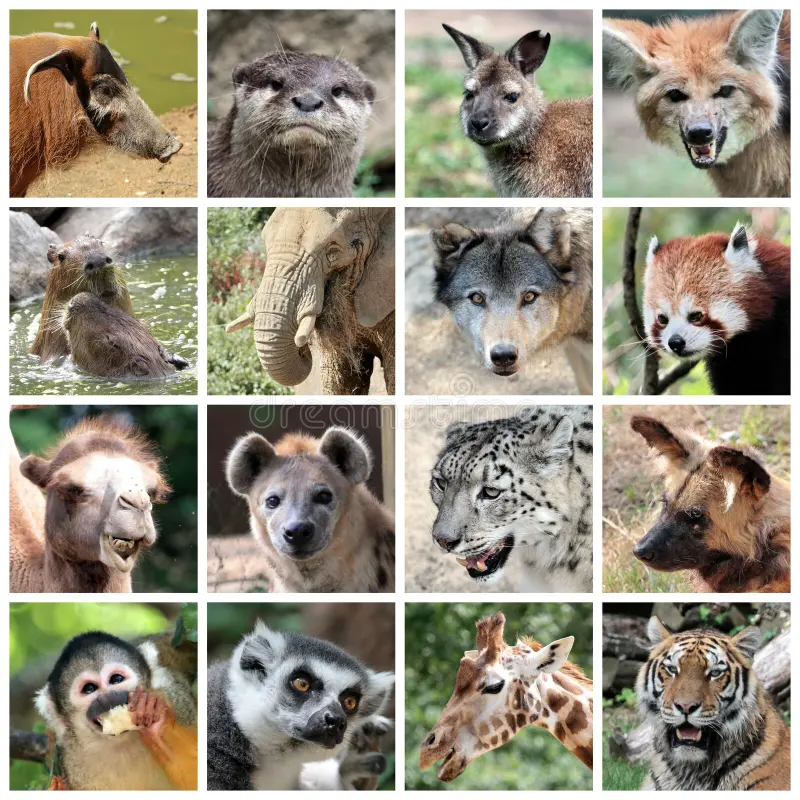
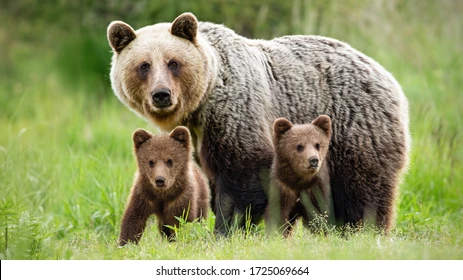
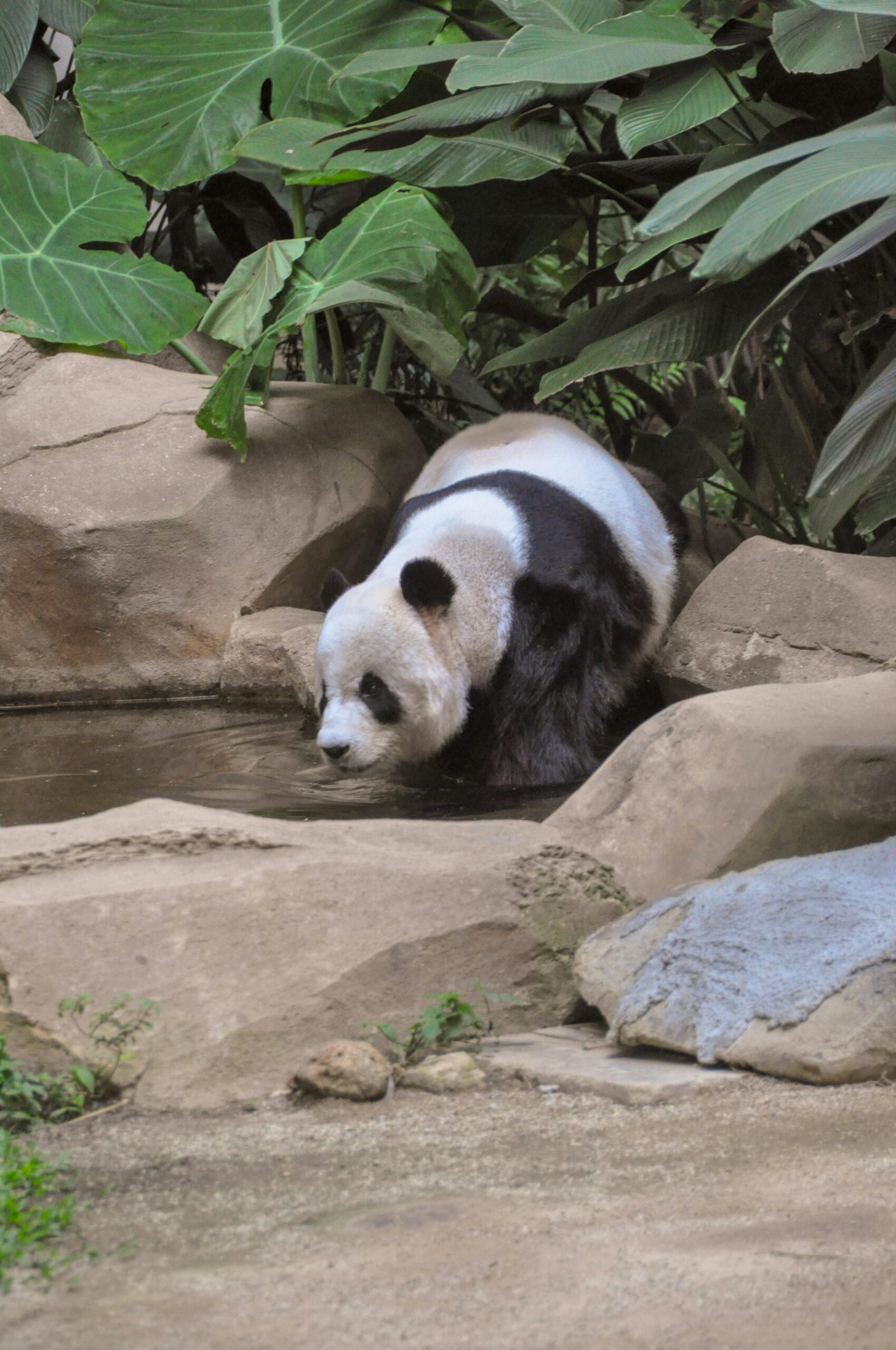
Mammals are one of the most fascinating and highly developed groups of animals in the kingdom Animalia. They are vertebrates, meaning they have a backbone, and belong to the class Mammalia. With unique features such as warm-blooded bodies, hair or fur, and the ability to produce milk for their young ones, mammals are considered the most advanced creatures in the animal world. Humans, too, are mammals, making the study of this group highly important.
Characteristics of Mammals
Mammals share certain distinctive features that set them apart from other animals:
Backbone (Vertebrates): All mammals have a well-developed skeletal system with a spinal column.
Warm-Blooded: They can maintain a constant body temperature regardless of the environment.
Hair or Fur: Mammals have hair or fur on their bodies at some stage of life, which helps regulate body temperature.
Mammary Glands: Female mammals have special glands that produce milk to feed their young.
Live Birth: Most mammals give birth to live young (except monotremes like the platypus and echidna, which lay eggs).
Lungs for Breathing: Mammals breathe through lungs, even aquatic ones like whales and dolphins.
Well-Developed Brain: They have large brains compared to other animals, allowing for intelligence, learning, and complex behavior.
Types of Mammals
Mammals are divided into three main groups based on their method of reproduction:
Monotremes
Egg-laying mammals.
Examples: Platypus, echidna.
Marsupials
Give birth to underdeveloped young, which then grow inside a pouch.
Examples: Kangaroo, koala, opossum.
Placental Mammals
The largest group; young develop inside the mother’s womb and receive nourishment through the placenta.
Examples: Humans, lions, dogs, elephants, whales.
Examples of Mammals
Land Mammals: Lions, tigers, elephants, dogs, horses.
Aquatic Mammals: Whales, dolphins, seals.
Flying Mammals: Bats (the only true flying mammal).
Domestic Mammals: Cows, goats, cats, dogs.
Importance of Mammals
Mammals play an important role in nature and human life:
Ecological Balance: They act as predators, prey, and seed dispersers in ecosystems.
Companionship: Many mammals, like cats and dogs, are kept as pets.
Agriculture: Cows, buffaloes, and horses are used for farming and transport.
Food and Resources: Mammals provide milk, meat, leather, and wool.
Scientific Study: Mammals help scientists understand human biology due to their similar body systems.
Threats to Mammals
Unfortunately, many mammals are endangered due to human activity:
Deforestation destroys their habitats.
Poaching and Hunting for fur, horns, and meat reduce populations.
Climate Change affects their food and living conditions.
Pollution harms both land and marine mammals.
Conservation of Mammals
Protecting mammals is vital for maintaining biodiversity. Measures include:
Establishing wildlife sanctuaries and national parks.
Enforcing laws against hunting and poaching.
Creating awareness about the importance of mammals.
Supporting conservation organizations.
Conclusion
Mammals are extraordinary animals that have adapted to live in almost every environment on Earth—from deserts and forests to oceans and polar regions. Their intelligence, ability to care for their young, and close connection with humans make them the most special group of animals. Protecting mammals is not just about saving them, but also about preserving the balance of life on Earth.