Reptiles: The Cold-Blooded Vertebrates
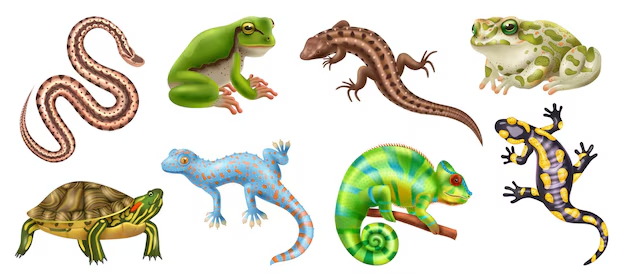
Reptiles are one of the most ancient and fascinating groups of animals on Earth. Belonging to the class Reptilia, they are vertebrates, meaning they have a backbone. Reptiles are cold-blooded (ectothermic), which means their body temperature depends on the environment around them. They are well adapted to live on land but can also survive in water.
Reptiles appeared around 310 million years ago, making them one of the oldest groups of animals. They are ancestors of dinosaurs and share many unique features that distinguish them from other animals.
Characteristics of Reptiles
Reptiles have several special features:
Cold-Blooded (Ectothermic): They cannot regulate their own body temperature and rely on the sun or environment to warm up.
Scaly Skin: Their bodies are covered with tough, dry scales made of keratin, which protect them from dehydration.
Vertebrates: They have a backbone and a strong internal skeleton.
Lungs for Breathing: All reptiles breathe through lungs, even aquatic ones like turtles and crocodiles.
Reproduction: Most reptiles lay eggs with leathery shells, though some give birth to live young.
Movement: Most reptiles crawl or slither, but some can swim (crocodiles, turtles) or climb (lizards).
Slow Metabolism: They can survive long periods without food because their bodies use energy slowly.
Types of Reptiles
Reptiles are classified into four main groups:
Crocodilians
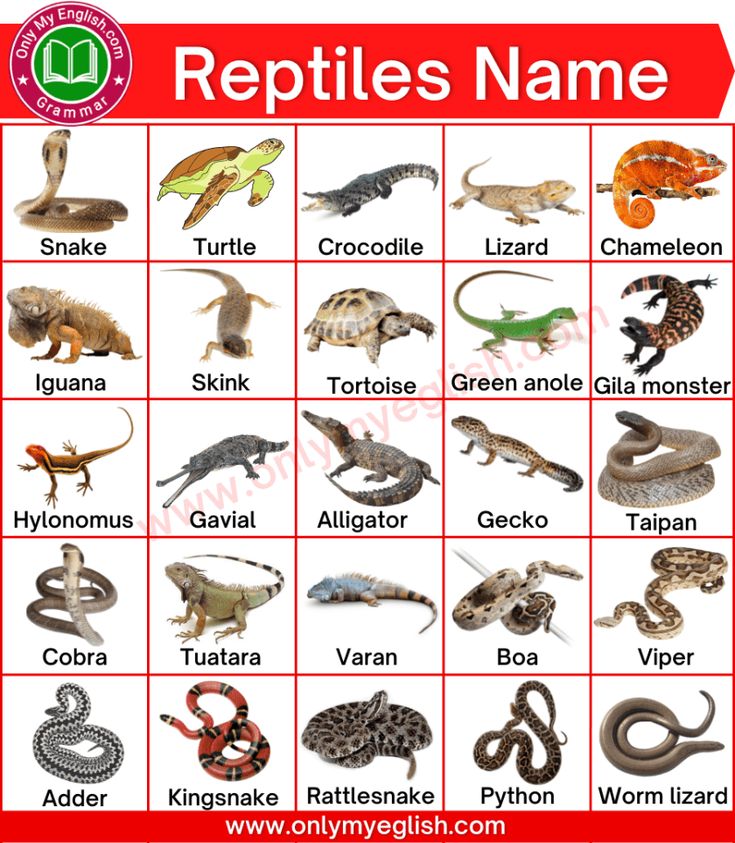
Includes crocodiles, alligators, caimans, and gharials.
They are large, semi-aquatic reptiles with powerful jaws.
Example: Nile Crocodile, American Alligator.
Squamates
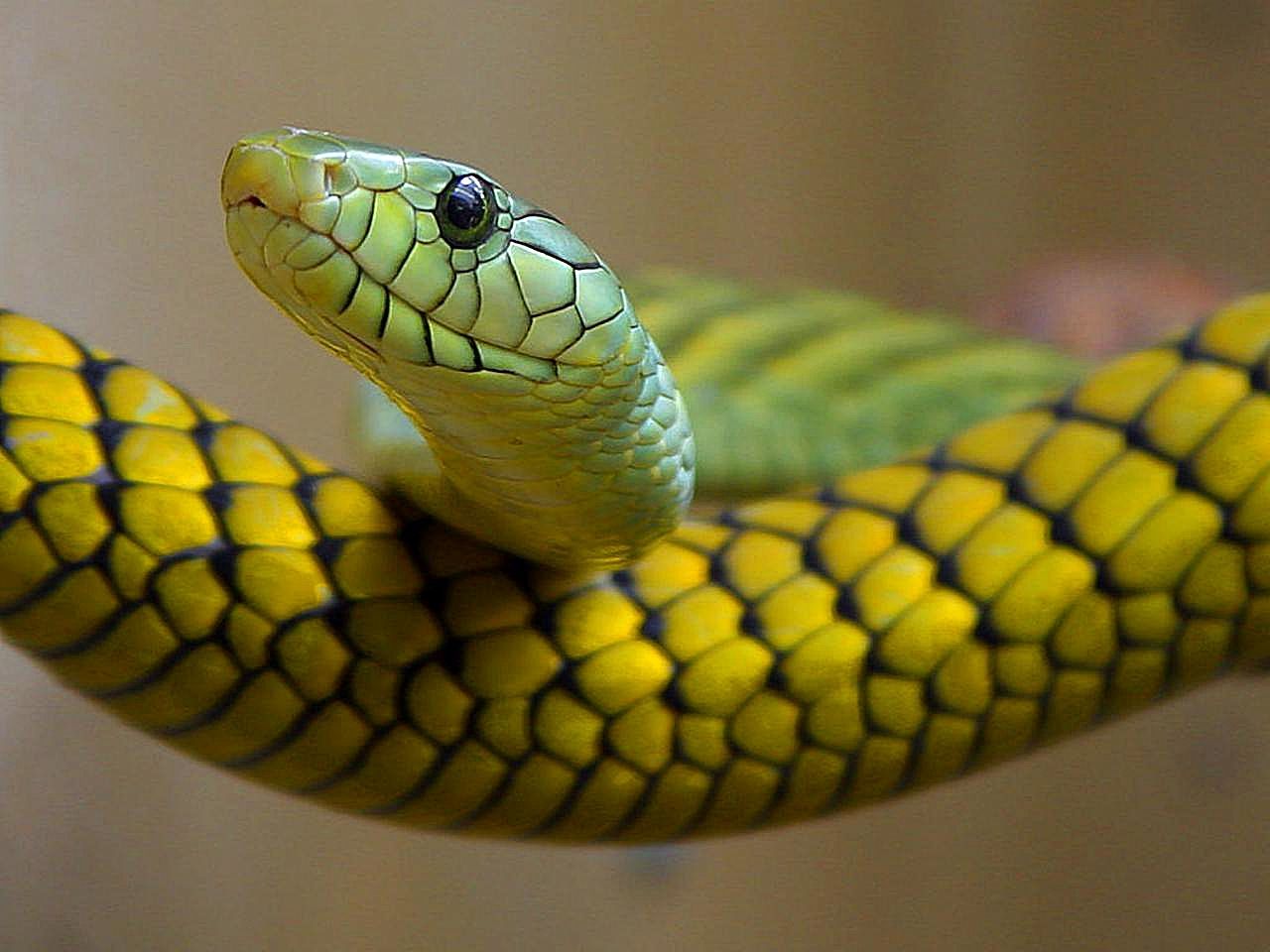
The largest group, including snakes and lizards.
Snakes have no legs, while lizards have four legs.
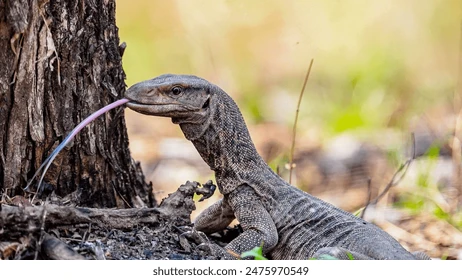
Examples: Cobra, Python, Monitor Lizard, Gecko.
Testudines (Turtles and Tortoises)
Reptiles with hard shells that protect their bodies.
Turtles live in water, while tortoises live on land.
Examples: Green Sea Turtle, Galápagos Tortoise.
Tuataras
Examples of Reptiles
Lizards: Chameleons, Iguanas, Komodo Dragons.
Snakes: Rattlesnakes, Cobras, Pythons, Vipers.
Turtles: Sea Turtles, Box Turtles.
Crocodilians: Crocodiles, Alligators, Gharials.
Importance of Reptiles
Reptiles play an important role in nature and human life:
Ecological Balance: They control populations of insects, rodents, and other small animals.
Food Chain: Reptiles are prey for birds, mammals, and humans in some cultures.
Scientific Value: They help scientists study evolution and adaptation.
Medicinal Uses: Venom from snakes is used to make life-saving medicines.
Cultural Significance: Many reptiles, like snakes and crocodiles, have symbolic importance in myths and traditions.
Threats to Reptiles
Reptiles face many dangers due to human activity:
Habitat Destruction: Deforestation and urbanization destroy their homes.
Climate Change: Rising temperatures and pollution affect their survival.
Poaching and Hunting: Reptiles are hunted for their skin, meat, and eggs.
Pet Trade: Many reptiles are captured and sold illegally.
Conservation of Reptiles
To protect reptiles, conservation measures are necessary:
Creating wildlife sanctuaries and national parks.
Banning illegal hunting and trade.
Raising awareness about the importance of reptiles in ecosystems.
Protecting wetlands, forests, and rivers that are their natural habitats.
Conclusion
Reptiles are ancient creatures that have survived on Earth for millions of years. With their scaly bodies, cold-blooded nature, and unique adaptations, they continue to fascinate scientists and humans alike. From giant crocodiles to tiny lizards, reptiles play a vital role in maintaining ecological balance. It is our duty to protect them from threats and ensure their survival for future generations.